
Marketing Services
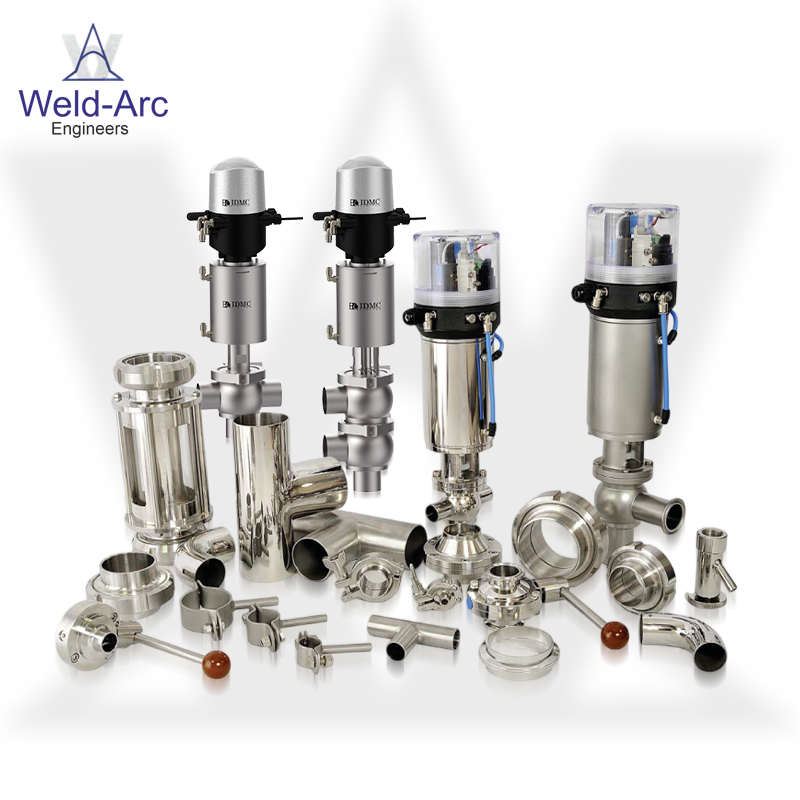
Dairy Valves And Fittings Manufacturers In India
Dairy valves and fittings are essential sanitary components used in dairy processing systems to regulate, direct, and connect the flow of milk and other products. Valves control fluid movement, pressure, and direction, while fittings ensure secure pipeline connections. Typically made from food-grade stainless steel, they resist corrosion and allow easy cleaning through CIP systems. Their hygienic design prevents contamination, ensuring product safety, maintaining quality standards, and enabling efficient operation in processing, packaging, and storage within the dairy industry.…
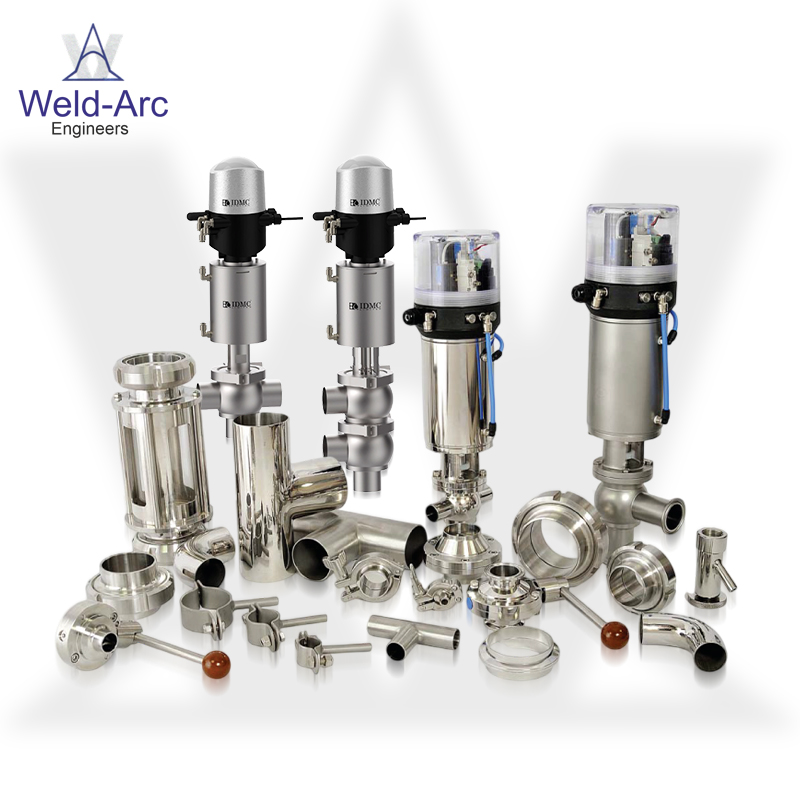
Dairy Valves And Fittings
Dairy valves and fittings are hygienic components used in dairy processing plants to manage the flow, direction, and connection of milk and related products. Valves such as butterfly, ball, and check valves control movement and prevent backflow, while fittings like elbows, tees, reducers, and clamps connect pipelines and equipment. Made from high-grade stainless steel, they ensure corrosion resistance and easy cleaning. Their smooth, crevice-free design maintains strict sanitation standards, supporting safe, efficient processing, storage, and transportation of dairy products.…
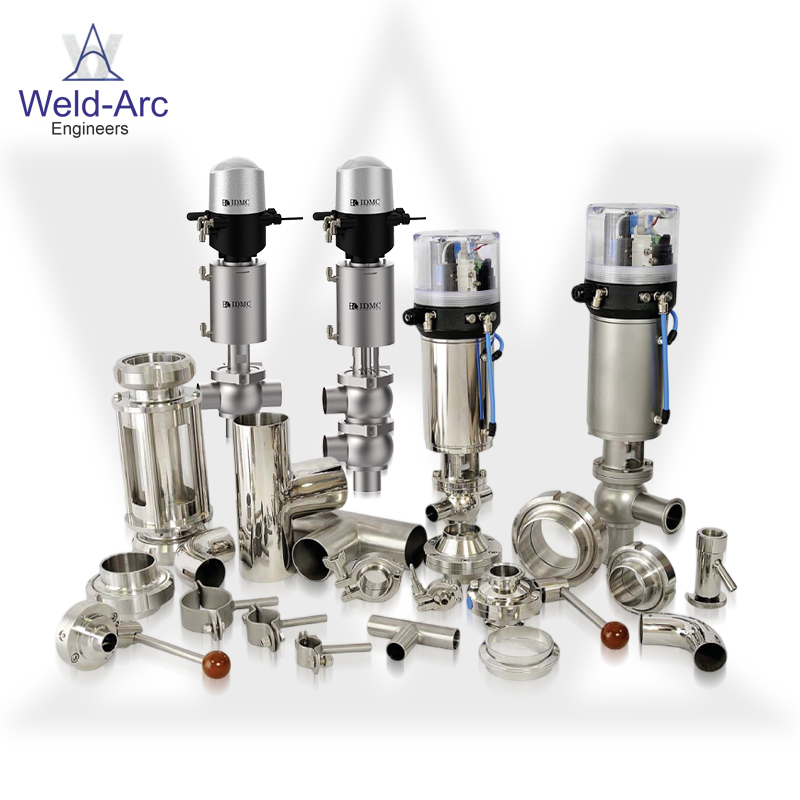
Dairy Valves And Fittings Exporters In India
Dairy valves and fittings are specialized components used in milk processing and dairy industries to control, direct, and connect the flow of liquids. These include valves, pipes, connectors, clamps, and joints made from food-grade stainless steel to ensure hygiene and prevent contamination. They are designed for easy cleaning, corrosion resistance, and durability under high temperatures and pressures. Dairy valves regulate flow, while fittings join equipment, ensuring safe, efficient, and sanitary processing, storage, and transportation of milk and dairy products.…
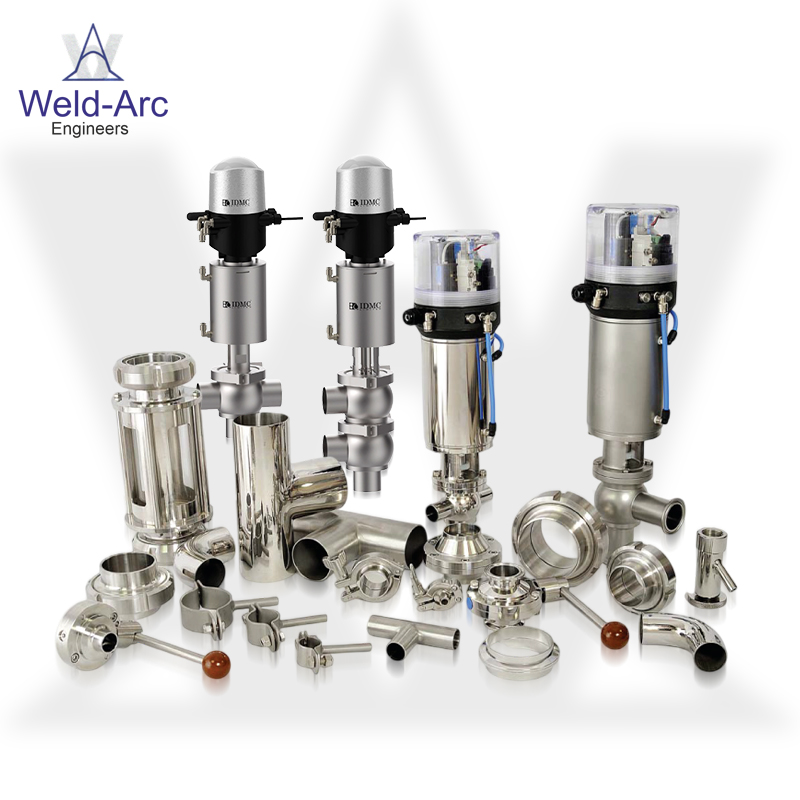
Dairy Valves And Fittings Suppliers
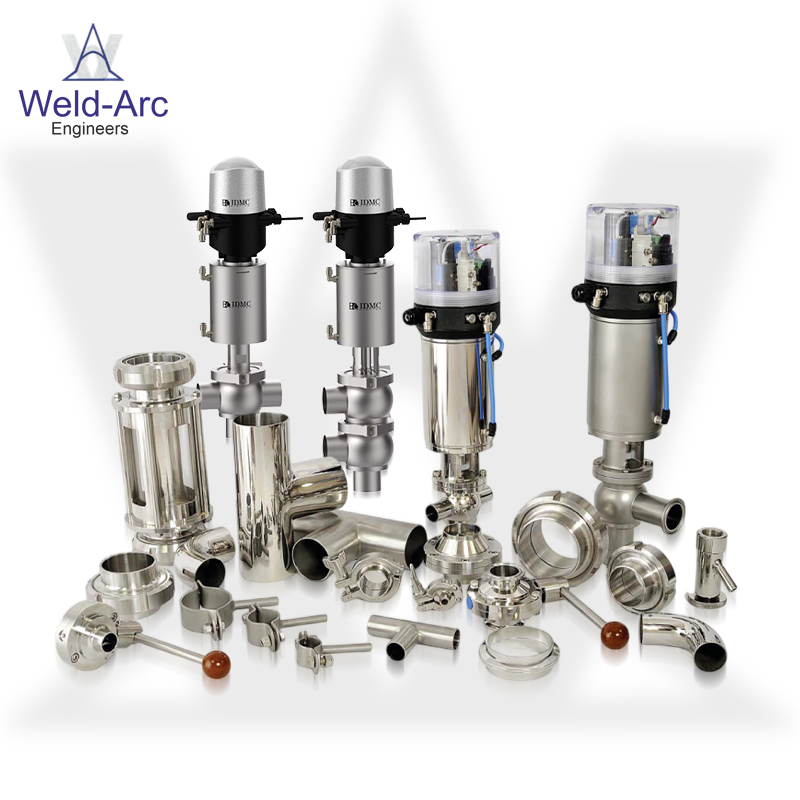
Dairy valves and fittings are essential parts of processing systems used to handle milk and related products safely. Valves control the flow and direction of liquids, while fittings connect different sections of pipes and equipment. They are usually made of stainless steel to maintain cleanliness and resist corrosion. These components are designed for easy cleaning and sterilization, ensuring hygienic conditions and preventing contamination during dairy production and processing.…
Dairy Valves And Fittings Suppliers
Dairy valves and fittings are specialized components used in milk and dairy processing systems to control, direct, and connect the flow of liquids. Valves regulate flow, pressure, and direction, while fittings join pipes, hoses, and equipment securely. Made from food-grade stainless steel, they ensure hygiene, prevent contamination, and allow easy cleaning. Common types include butterfly valves, check valves, bends, tees, and couplings, all designed to meet strict sanitary standards in dairy operations.…
Piston Valve| Weld-Arc Engineers
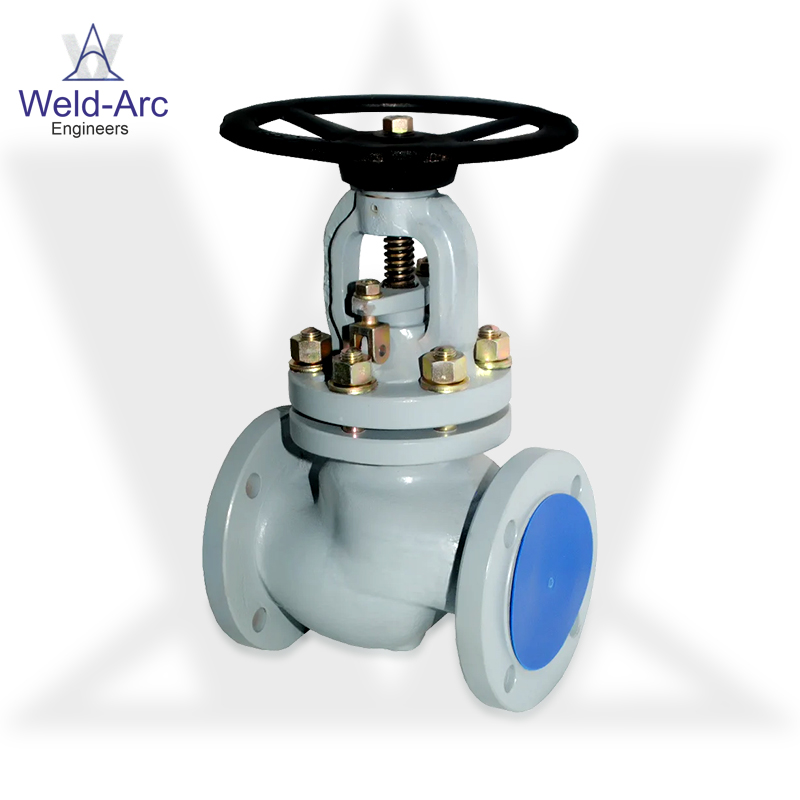
A piston valve is a mechanical device used to control the flow of liquids or gases in pipelines and engines. It operates through a cylindrical piston that moves within a chamber to open or close passageways. Widely used in steam engines, industrial systems, and brass instruments, piston valves ensure smooth operation, tight sealing, and efficient flow control, making them reliable for high-pressure and precision applications.…
Piston Valve Suppliers | Weld-Arc Engineers
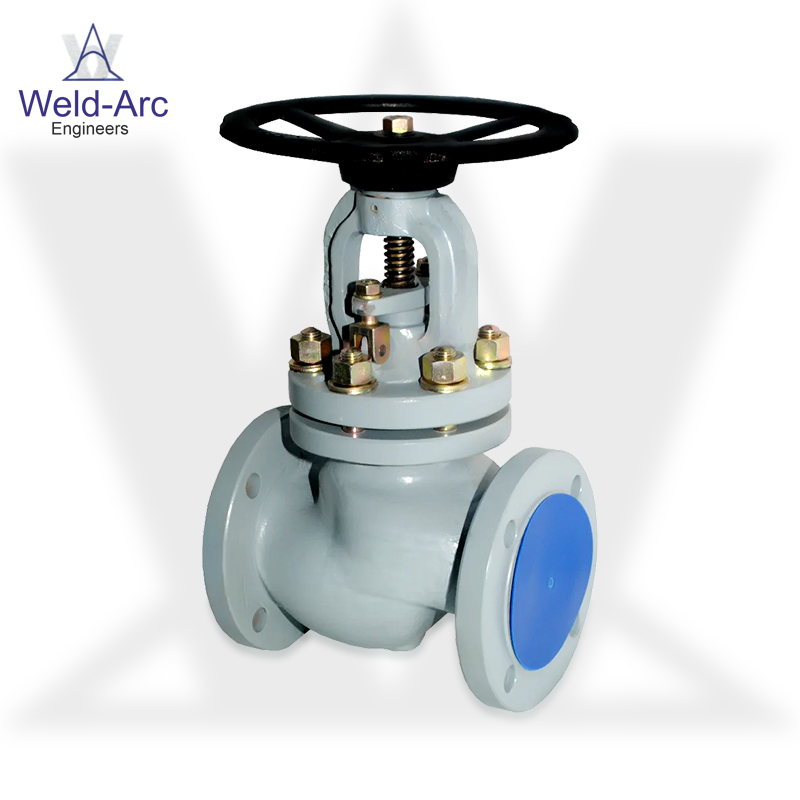
A piston valve is a type of valve that uses a cylindrical piston moving inside a chamber to control the flow of fluid or gas. When the piston moves, it opens or closes ports, allowing or blocking passage. It is commonly used in engines, steam systems, and musical instruments for efficient and precise flow regulation.…
Dairy Valves And Fittings Reliable Hygienic Solutions
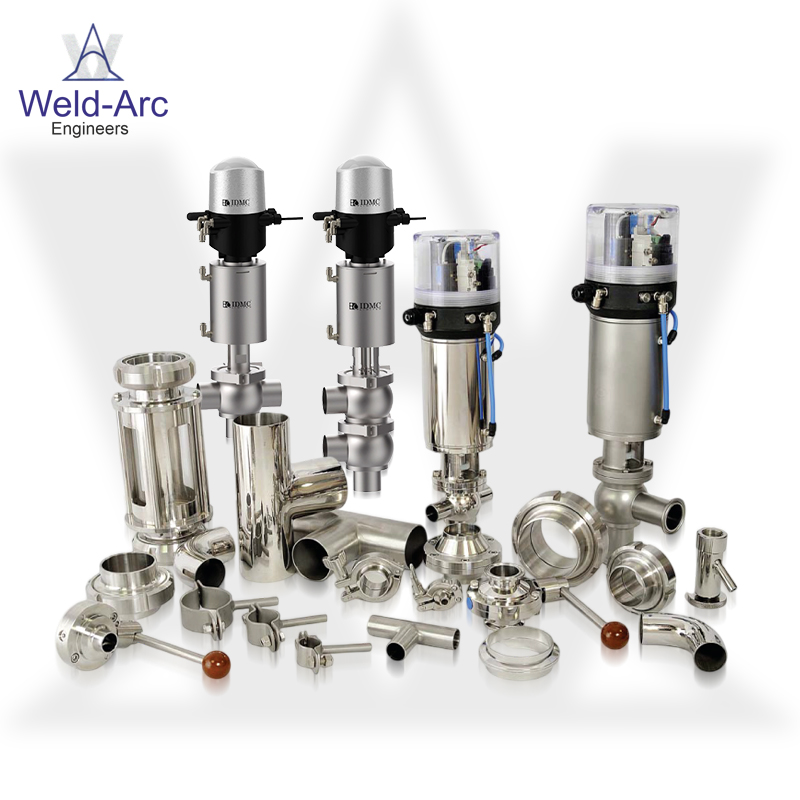
Dairy valves and fittings are specialized components used in dairy processing systems to control, regulate, and direct the flow of milk and other dairy products. They are made from food-grade stainless steel to ensure hygiene, prevent contamination, and allow easy cleaning. Common types include butterfly valves, check valves, elbows, tees, and couplings, all designed to maintain sanitary conditions and efficient fluid handling in dairy industries.…
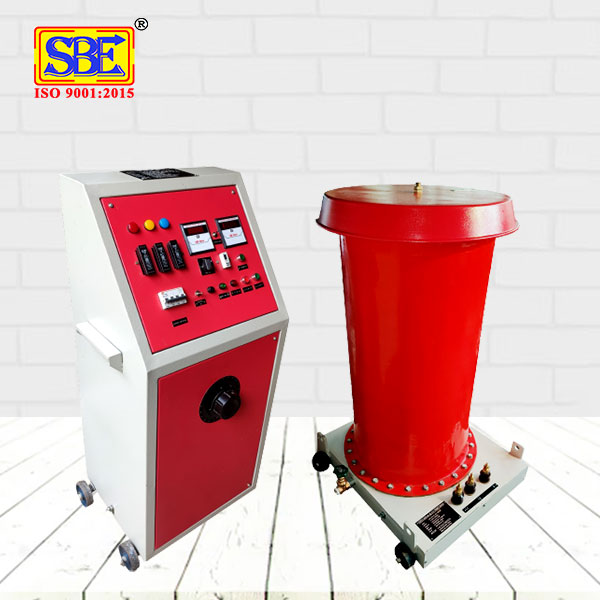
Ac High Voltage Tester |S.b. Electrotech
An AC high voltage tester is a device used to check the insulation strength of electrical equipment by applying high alternating voltage. It helps identify weaknesses, leakage, or breakdown risks in cables, transformers, and switchgear. This testing ensures safety, reliability, and compliance with standards, preventing failures, electrical hazards, and costly damage in power systems and industrial applications.…
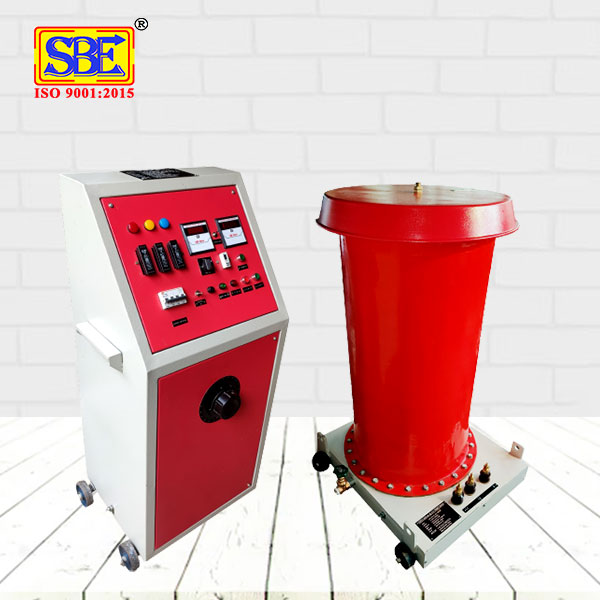
Ac High Voltage Tester |S.b. Electrotech
An AC high voltage tester is a device used to check the insulation strength of electrical equipment by applying high alternating voltage. It helps identify weaknesses, leakage, or breakdown risks in cables, transformers, and switchgear. This testing ensures safety, reliability, and compliance with standards, preventing failures, electrical hazards, and costly damage in power systems and industrial applications.…