
Managing Bladder Challenges In Parkinson's: Insights, Effective Treatments, And Strategies For Success
Living with Parkinson's disease presents a multitude of challenges, with symptoms extending beyond motor difficulties. Among these challenges, bladder dysfunction is a prevalent yet often overlooked aspect that significantly impacts an individual's quality of life. Elizabeth, like many others navigating Parkinson's, faces the complexities of managing bladder issues. Understanding the nuances of this symptom and employing effective strategies can profoundly enhance daily life.
One of the lesser-discussed but distressing aspects of Parkinson's disease is urinary dysfunction. Elizabeth, grappling with this symptom, knows firsthand the disruption it causes to daily routines and social interactions. The manifestation of urinary issues in Parkinson's, ranging from urgency and frequency to incomplete emptying, can be attributed to the disease's impact on the autonomic nervous system. This dysfunction often leads to difficulties in controlling the bladder muscles, resulting in inconvenience and embarrassment for individuals like Elizabeth.
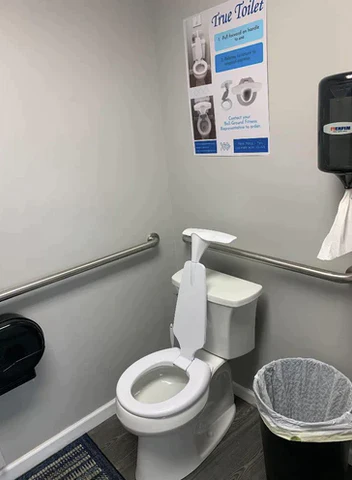
However, advancements in medical technology offer promising solutions. The development of innovative devices, such as urinal attachments specifically designed for individuals with Parkinson's, has revolutionized management strategies. These attachments, discreetly worn and easily accessible, provide convenience and aid in managing unexpected urges, offering a sense of control over bladder function. For Elizabeth and others navigating similar challenges, these attachments serve as a lifeline, allowing greater independence and confidence in daily activities.
Beyond technological aids, a holistic approach to managing bladder challenges in Parkinson's encompasses various aspects. Lifestyle modifications, including dietary adjustments and timed voiding, can significantly alleviate symptoms. Elizabeth, under the guidance of healthcare professionals, has adopted specific dietary changes and a structured voiding schedule, minimizing the impact of urinary issues on her daily life.
Moreover, pharmacological interventions tailored to address bladder dysfunction in Parkinson's have shown promise. Medications targeting overactive bladder symptoms or addressing muscle control issues can be effective in managing urinary difficulties. Elizabeth, in consultation with her healthcare team, has explored these options, experiencing improved symptom control and a better quality of life.
Nonetheless, managing bladder challenges in Parkinson's isn't solely reliant on medical interventions. Psychological and emotional support play a pivotal role in coping with these difficulties. Elizabeth actively engages in support groups, finding solace in sharing experiences and learning from others facing similar challenges. urinal attachment Peer support has empowered her to navigate the emotional aspects of bladder dysfunction, fostering resilience and a proactive attitude towards managing Parkinson's.
Furthermore, holistic therapies such as pelvic floor exercises and mindfulness techniques have demonstrated efficacy in improving bladder control and reducing symptoms' impact. Elizabeth, incorporating these practices into her routine, has noticed tangible improvements in her bladder function and overall well-being.
Family and caregiver involvement are equally crucial in addressing bladder challenges associated with Parkinson's. Understanding and empathy from loved ones create a supportive environment, easing the emotional burden on individuals like Elizabeth. With the backing of her supportive network, Elizabeth feels empowered to confront the challenges posed by bladder dysfunction with resilience and determination.
In conclusion, managing bladder challenges in Parkinson's demands a multifaceted approach encompassing technological advancements, lifestyle modifications, medical interventions, emotional support, and holistic therapies. Elizabeth's journey exemplifies the importance of a comprehensive strategy tailored to individual needs. Through a combination of innovative solutions, lifestyle adjustments, and emotional support, individuals with Parkinson's, like Elizabeth, can navigate bladder challenges with resilience, reclaiming a sense of control and enhancing their quality of life.
Email : elizebeth965@gmail.com