
Introduction To Power Bi
Power BI is a powerful business analytics service provided by Microsoft. It enables users to visualize and analyze data, share insights across their organization, or embed them in an app or website. Power BI consists of several components that work together to help users create interactive reports and dashboards.
Key Components of Power BI:
Power BI Desktop:
- This is a free desktop application for Windows that you can use to connect to, transform, and visualize your data. It allows you to create reports and dashboards using a drag-and-drop interface. POWER BI CLASSES IN PUNE
Power BI Service:
- The Power BI service is a cloud-based platform where you can publish, share, and collaborate on your Power BI reports and dashboards. It also provides features like scheduled data refresh, natural language queries, and more.
Power BI Mobile:
- Power BI Mobile apps are available for iOS and Android devices, allowing you to access your reports and dashboards on the go. It provides a responsive and touch-optimized experience.
Power BI Gateway:
- The Power BI Gateway allows you to connect Power BI to on-premises data sources. It ensures that your reports and dashboards stay up-to-date by refreshing data from on-premises sources.
Key Concepts in Power BI:
Data Sources:
- Power BI can connect to a wide variety of data sources, including databases, Excel files, online services, and more. You can import data or establish a live connection, depending on your needs.
Data Transformation:
- Power BI includes a tool called Power Query for data transformation. It allows you to clean, shape, and combine data from different sources before loading it into Power BI.
Data Modeling:
- In Power BI, you create relationships between tables to build a data model. This is essential for creating meaningful visualizations and accurate calculations.
Visualizations:
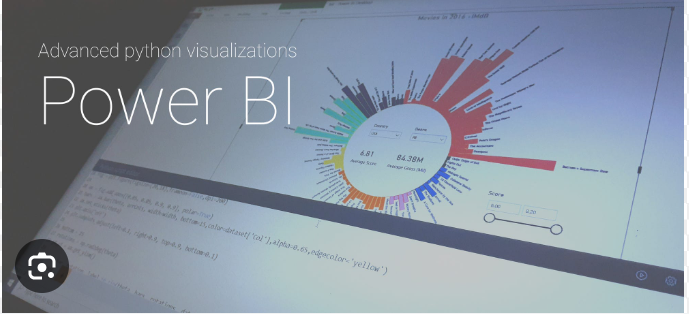
- Power BI offers a rich set of visualizations, including charts, tables, maps, and more. You can customize these visualizations to create compelling and interactive reports.
DAX (Data Analysis Expressions):
- DAX is a formula language used in Power BI for creating custom calculations and aggregations. It allows you to define calculated columns, measures, and calculated tables.
- POWER BI COURSE IN PUNE
Reports and Dashboards:
- Reports in Power BI consist of pages that contain visualizations and insights. Dashboards are a collection of visualizations from multiple reports. They provide a consolidated view of your data.
Getting Started:
Download and Install Power BI Desktop:
- Visit the Power BI website to download and install Power BI Desktop.
Create a Power BI Account:
- Sign up for a Power BI account if you don't have one. You can use a free account or subscribe to Power BI Pro for additional features.
Explore Power BI Desktop:
- Open Power BI Desktop and start exploring its features. Connect to a data source, create visualizations, and experiment with different options.
Publish to Power BI Service:
- Publish your Power BI report to the Power BI service to share it with others. You can also collaborate and work on reports together.
Explore Power BI Service:
- Sign in to the Power BI service, where you can find and interact with your reports and dashboards. Explore additional features available in the service.
Power BI is continuously evolving, with regular updates and new features being added. Whether you're a data analyst, business user, or IT professional, Power BI provides a user-friendly and robust platform for turning your data into actionable insights.
Email : m81133903@gmail.com