
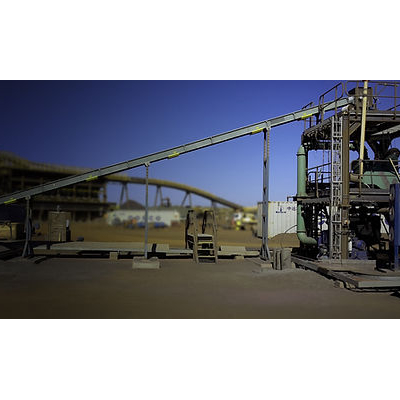
Conveyor Systems
In the dynamic and demanding landscape of mining operations, the effective and efficient implementation of conveyor systems is crucial for seamless material handling, cost-effectiveness, and operational success. Several key considerations and design aspects play a pivotal role in achieving these goals:
1. Material Characteristics:
- Abrasiveness: Mining materials can vary widely in terms of abrasiveness. Designing conveyor systems that account for the abrasive nature of certain materials ensures longevity and reduces maintenance requirements.
- Particle Size: Understanding the size of the material being transported is vital. Conveyor systems must be designed to handle various particle sizes without causing blockages or inefficiencies.
2. Conveyor Route and Topography:
- Terrain and Elevation Changes: The mining environment often involves challenging terrains and elevation changes. Conveyor systems must be adapted to navigate these conditions, whether through the use of inclines, declines, or curves.
- Routing Efficiency: The design should optimize the routing of conveyors to minimize travel distances and, consequently, reduce operational costs.
3. System Capacity and Throughput:
- Volume Requirements: Determining the required throughput and capacity of the conveyor system is fundamental. This involves understanding the volume of material to be transported over a specific period.
- Scalability: A well-designed conveyor system should be scalable, capable of accommodating changes in production volume or future expansions in mining operations.
4. Energy Efficiency:
- Power Consumption: Efficient use of energy is a critical concern. Employing technologies like regenerative drives, variable frequency drives (VFDs), and intelligent control systems contributes to energy savings.
- Automation: Implementing automated systems for load optimization and speed control ensures that energy is used judiciously throughout the operation.
Email : Xavierdianah235@gmail.com
Seller Information

0488199079